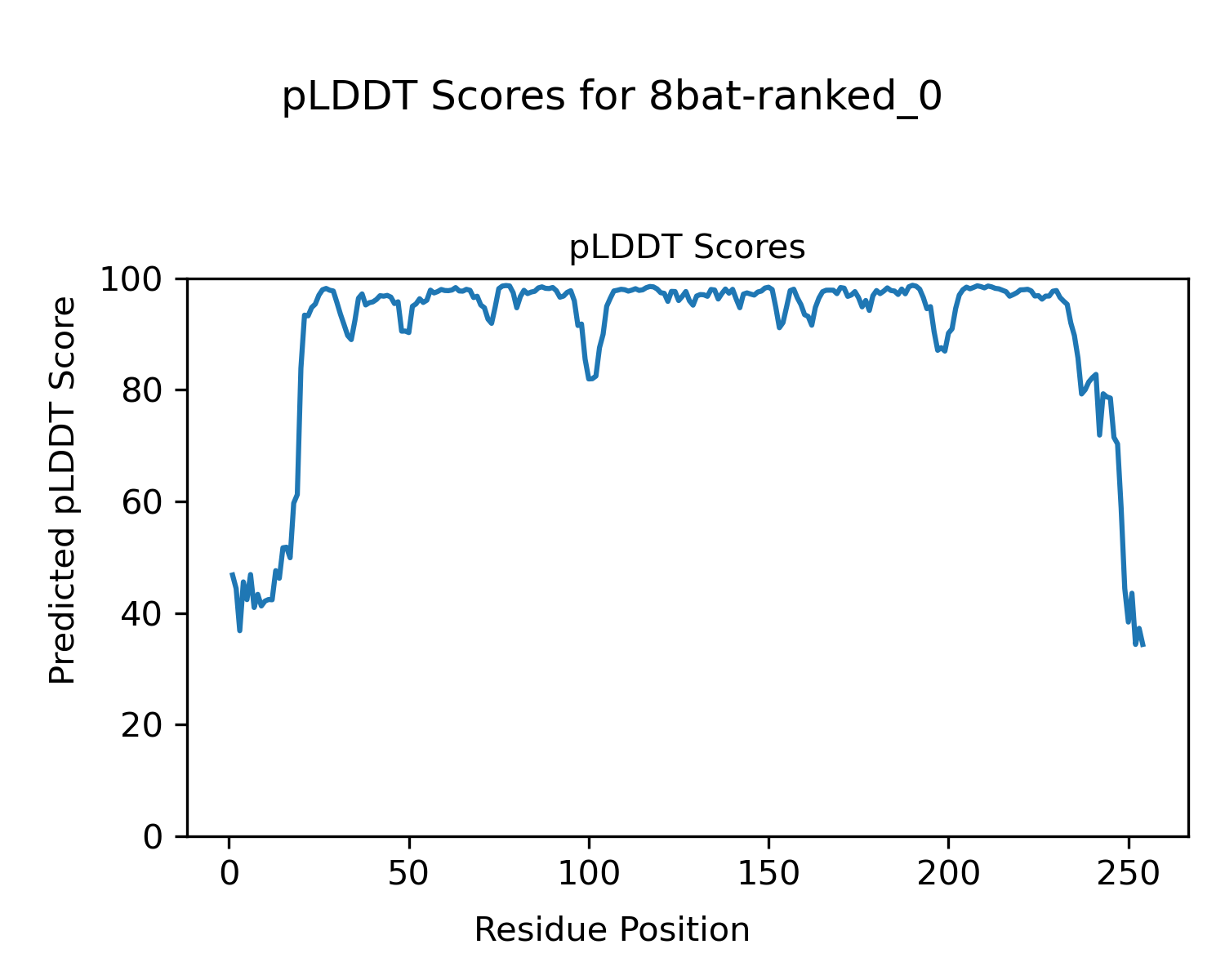
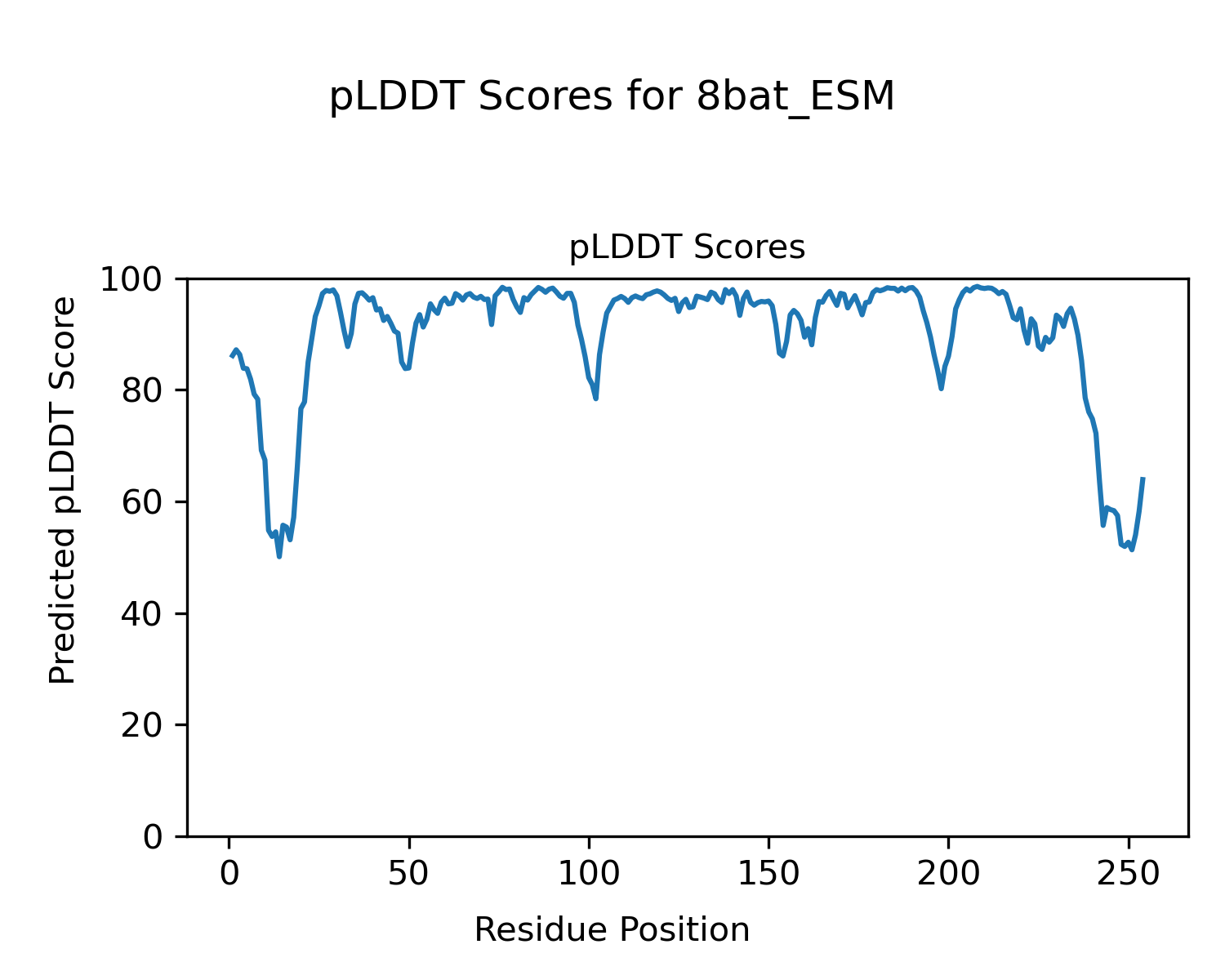
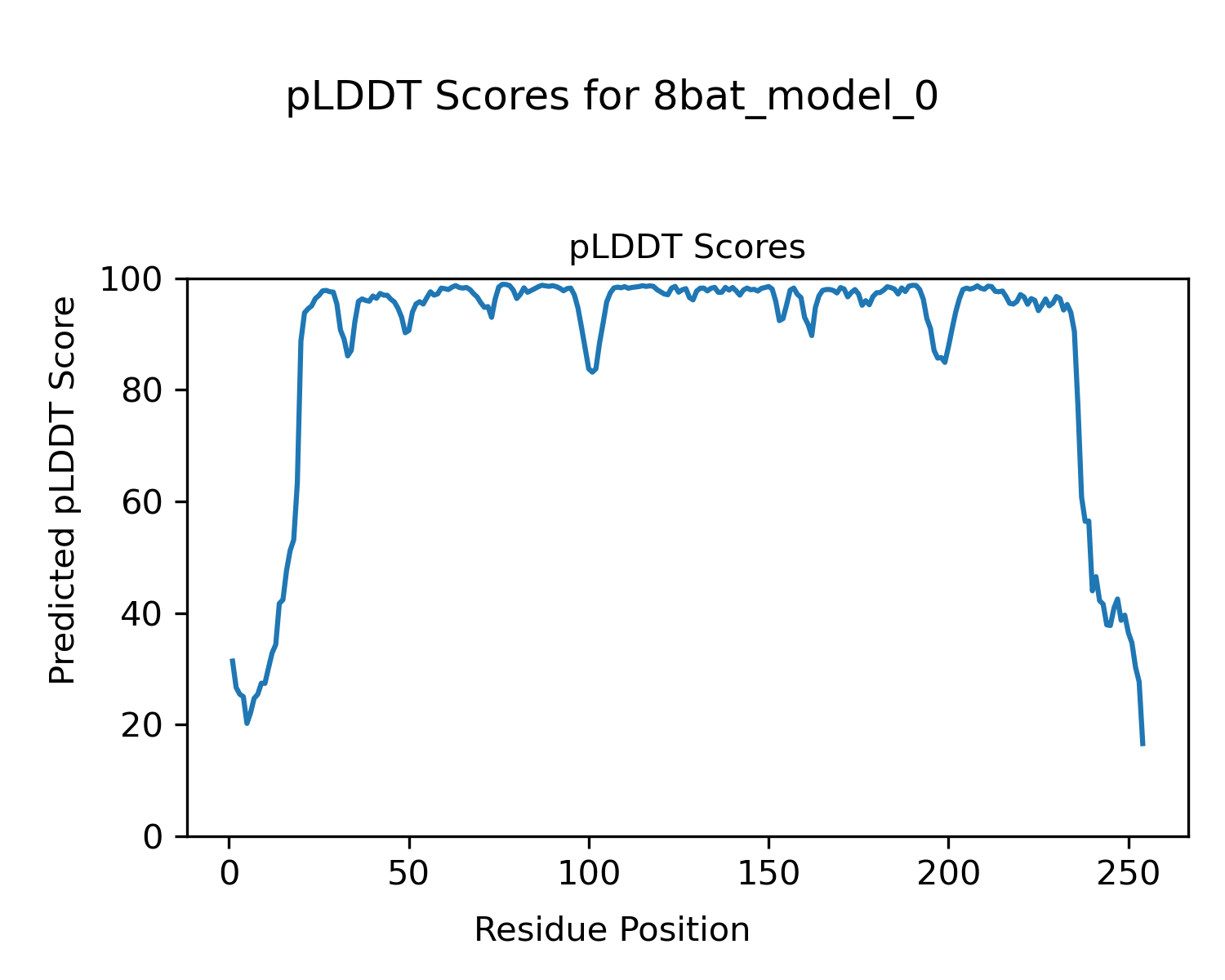
Start with the per-target page — check pLDDT, LDDT/RMSD (if experimental structure available), DockQ (for dimers)
If pLDDT ≥ 90 and LDDT ≥ 0.9 → model is highly reliable for both local and global geometry.
If pLDDT 70–90 and LDDT ≥ 0.7 → reliable backbone prediction; verify functional sites or loops if important.
If pLDDT ≥ 70 but LDDT < 0.7 or DockQ < 0.23 (for dimers) → exercise caution: pLDDT can be overconfident for interfaces and NMR ensembles. Inspect interface area, evolutionary support (TQ) and MSA depth.
If TQ = 0 (no homologs) → treat prediction as a de novo model; cross-check multiple tools and, if possible, use orthogonal data (crosslinking, SAXS, mutagenesis).
If interface area < ~1000–1200 Ų and DockQ < 0.23 → interface may be crystallographic / not biological. Consider PISA or biological-assembly annotations.
**Always inspect models visually for context-specific decisions